
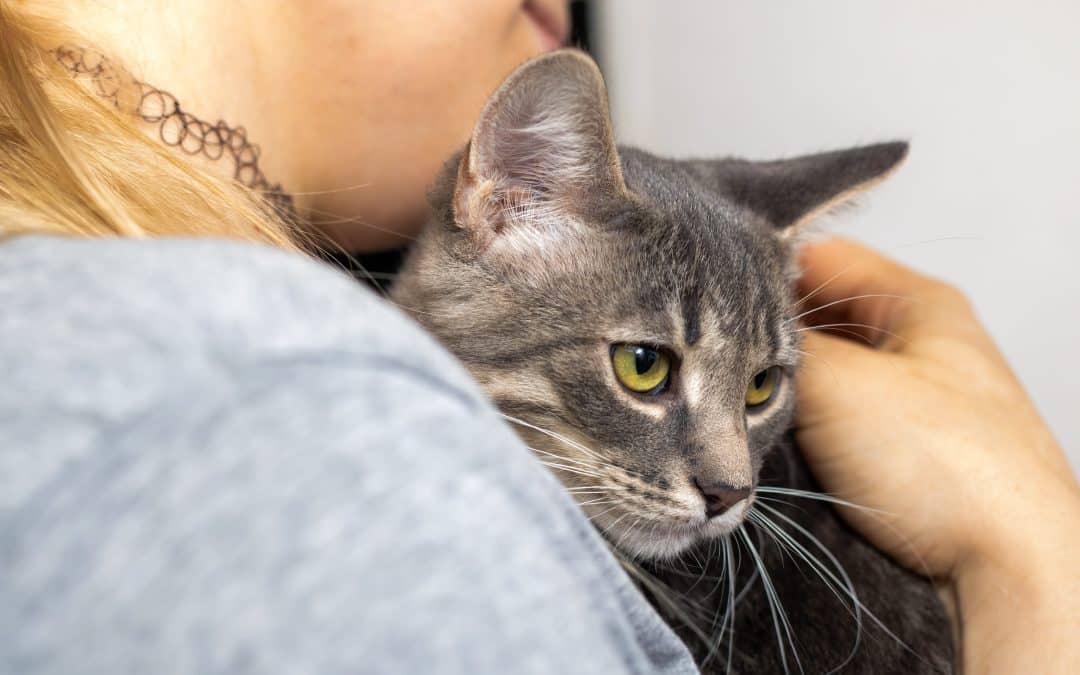
If your dog trembles in the exam room or your cat cries the moment the carrier appears, you are not alone. Pet anxiety during veterinary visits is common. Many animals associate the clinic with unfamiliar smells, new people, and past discomfort.
The good news is that anxiety can be reduced with preparation, low-stress handling, and personalized veterinary guidance. At Bluegrass Veterinary Hospital in Gallatin, TN, we focus on creating a calming environment and custom-tailored care plans so your pet can feel safe and supported at every stage of life.
When you understand what causes stress and how to respond, you can transform veterinary visits into a more positive experience for both you and your pet.
This Article Will Address
- What causes pet anxiety during a vet visit
- Signs of anxiety in dogs and cats
- Whether panic at the vet is normal
- How to prepare for a stress-free appointment
- What to tell your veterinarian
- Sedation options for anxious pets
- Why pet owners choose Bluegrass Veterinary Hospital in Gallatin, TN
Expect Kindness & Compassion
Comprehensive Veterinary Care for Your Four-Legged Family Member.
What Causes Anxiety For Pets During A Veterinary Visit?
Veterinary anxiety usually develops from a combination of unfamiliar environments and previous experiences. Pets rely heavily on routine and scent recognition, so a clinic setting can feel overwhelming.
Common causes of pet anxiety include:
- Unfamiliar smells, sounds, and exam room surfaces
- Past negative experiences involving restraint or discomfort
- Car rides and carrier stress, especially for cats
- Waiting room exposure to other animals
- Handling, restraint, and unfamiliar touch
- Pain, illness, or sensitivity that makes physical exams uncomfortable
Why The Waiting Room Increases Stress For Some Pets
The waiting area can introduce loud noises, new animals, and heightened stimulation. Even friendly pets may feel alert or defensive when surrounded by unfamiliar dogs or cats.
Why car rides and carriers trigger anxiety for cats
Many cats associate carriers with loss of control and travel. If the carrier only appears before vet visits, it can become a predictor of stress.
Routine wellness exams, preventive care, and appropriate diagnostic testing help us identify medical causes of discomfort that may worsen anxiety. When pets feel physically better, their stress often decreases as well.
What Are The Signs Of Pet Anxiety During A Veterinary Visit?
Recognizing anxiety early allows us to adjust handling techniques and timing. Dogs and cats express stress differently, but there are common signals to watch for:
- Panting, trembling, or pacing
- Excessive vocalization such as whining, barking, or yowling
- Hiding, freezing, low posture, or a tucked tail
- Dilated pupils, pinned ears, or wide eyes
- Growling, snapping, or defensive behavior
- Excessive shedding in cats
- Urination or defecation from stress
- Refusing treats or sudden appetite changes
Is It Normal For Pets To Panic At The Vet?
Yes, it can be common, especially for pets that did not have early positive exposure to veterinary settings. However, panic should not be ignored. Without intervention, anxiety can intensify over time and make examinations more difficult and less safe.
Our goal is always to reduce fear, protect safety, and improve long-term health outcomes. Veterinary care should not be a source of trauma.
Mild anxiety may include nervous behavior but allow handling with reassurance. Severe anxiety may involve aggressive responses, extreme vocalization, or refusal to move. In those cases, speaking with your veterinarian before the next visit is essential so we can prepare appropriately.
How Do I Prepare My Pet For A Stress-Free Vet Appointment?
Preparation is one of the most powerful tools in managing pet anxiety. Small changes at home can significantly improve the experience.
- Schedule strategically. Choose quieter times when possible to reduce stimulation.
- Practice happy visits. Brief, positive drop-ins where your pet receives treats and leaves can build positive associations.
- Bring high-value treats and a comfort item. Familiar scents can provide reassurance.
- Use carrier training for cats. Leave the carrier out at home so it becomes part of the environment.
- Take short car rides that do not end at the vet. This reduces the connection between the car and stress.
- Exercise your dog before the visit when appropriate. Mild activity can help release nervous energy.
- Keep your body language calm and neutral. Pets often mirror their owner’s emotions.
- Minimize waiting room time. Ask if you can wait in your car until an exam room is ready.
- Use non-slip mats or familiar blankets. Stable footing increases confidence.
- Ask your veterinarian in advance about calming supplements or medications. Planning ahead can prevent escalation
What Should I Tell My Veterinarian If My Pet Is Anxious?
Open communication allows us to adjust handling, scheduling, and treatment plans.
Please share:
- What your pet does at home before leaving
- Known triggers such as carriers, car rides, strangers, or other dogs
- Any past bite or scratch history
- Previous medical conditions that increase sensitivity
- Calming aids you have tried and their results
- Current medications or supplements
- Preferred handling approaches
- Whether your pet is treat-motivated
Do Vets Offer Sedation For Anxious Pets?
Sedation can be appropriate for some pets, depending on their health status and anxiety severity. In many cases, pre-visit medications can reduce fear before arrival and make the appointment more comfortable.
At Bluegrass Veterinary Hospital, we emphasize diagnostic-first, individualized care. We evaluate your pet’s overall health before recommending any medication.
Support options may include:
- Mild anxiety support through environment adjustments and low-stress handling
- Moderate anxiety support using behavior plans, supplements, or prescribed pre-visit medications when appropriate
- Severe anxiety support with sedation when necessary for safety and humane care
Never give human medications without veterinary guidance. Always discuss options with your veterinarian first. Our in-house pet pharmacy allows us to provide prescribed medications conveniently when needed.
Why Choose Bluegrass Veterinary Hospital For An Anxiety-Free Vet Visit?
We understand that your pet is part of your family. Our team is committed to keeping your best friend healthy and happy in a setting that feels safe and welcoming.
Pet owners choose Bluegrass Veterinary Hospital because we offer:
- A calming veterinary office environment designed for comfort
- Custom-tailored treatment plans rather than one-size-fits-all care
- A strong preventive care focus that supports long-term behavior and wellness
- Diagnostic testing before treatment recommendations
- An experienced veterinary team that values safe handling and clear communication
- On-site ultrasound and radiology for comprehensive care
- An in-house pet pharmacy for convenient access to prescribed medications
Schedule Your Pet’s Next Vet Appointment in Gallatin, TN
Pet anxiety during veterinary visits is manageable with preparation, communication, and a personalized care plan. By recognizing triggers, practicing positive reinforcement, and partnering with a veterinary team that prioritizes calm handling, you can help your pet feel more secure.
If you are concerned about your pet’s anxiety, we encourage you to contact Bluegrass Veterinary Hospital in Gallatin, TN, before your next appointment. Schedule a visit or call us today to create a calm, tailored plan that keeps your best friend healthy and happy.
Sources
- American Veterinary Medical Association
- American Animal Hospital Association
- Cornell University College of Veterinary Medicine
- VCA Animal Hospitals
Dr. Benjamin L. Zimmerman, DVM
Dr. Benjamin L. Zimmerman, co-owner of Bluegrass Veterinary Hospital, has been dedicated to veterinary medicine since he was eight, inspired by a formative experience on his uncle’s chicken farm. With extensive hands-on experience on various farms, he values educating pet owners about their furry companions. When not caring for animals, he enjoys playing the fiddle, cooking, and spending time outdoors with his family and pets.