
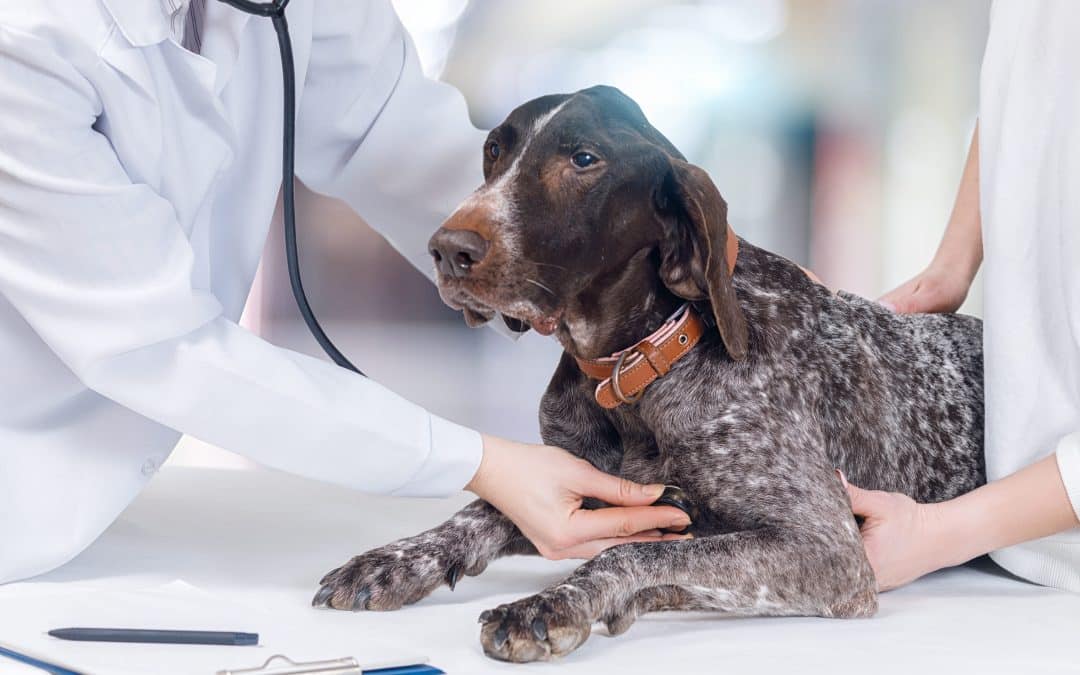
Diagnostic testing allows veterinarians to look beyond visible symptoms, identify underlying issues early, and make informed decisions before conditions become more serious. At Bluegrass Veterinary Hospital, diagnostics are a foundational part of how we deliver thoughtful, responsible veterinary care in Gallatin, TN.
By using diagnostic tools such as laboratory testing and imaging, our team can better understand what is happening inside your pet’s body. This approach supports earlier detection of disease, clearer treatment planning, and long-term health monitoring. Rather than relying on guesswork, diagnostics give us reliable information that guides care decisions tailored to your pet’s specific needs.
This Article will address
- Why veterinary diagnostics are essential for early detection and prevention
- How diagnostic testing is performed in veterinary medicine
- The most common diagnostic tests used for pets
- How diagnostics guide treatment decisions and long-term health planning
- How quickly diagnostic results may be available
- Why pet owners in Gallatin, TN choose Bluegrass Veterinary Hospital for diagnostic care
Expect Kindness & Compassion
Comprehensive Veterinary Care for Your Four-Legged Family Member.
What Is Veterinary Diagnostics, And How Is It Done?
Veterinary diagnostics refer to the tests and evaluations used to identify illness, monitor known health conditions, monitor therapeutic medication levels in the blood, and understand changes in a pet’s condition. Diagnostics are not limited to sick visits. They are also an important part of routine wellness care, preventive screening, and long-term health management.
The diagnostic process typically includes several steps:
- Reviewing your pet’s medical history and current symptoms
- Performing a thorough physical examination
- Collecting samples such as blood, urine, feces, skin swabs, or ear swabs
- Using imaging when needed, including X-ray or ultrasound
- Interpreting results and developing a clear, individualized care plan
What Types Of Diagnostic Tests Do Veterinarians Use?
Veterinarians use a variety of diagnostic tools to evaluate different body systems and health concerns. Each test provides specific insight that helps build a complete picture of your pet’s overall health.
- In-house lab testing (bloodwork and chemistry panels): Blood tests help evaluate hydration status, infection markers, immune response, and organ function. Chemistry panels provide information about the liver, kidneys, pancreas, and metabolic health. These tests are commonly used during wellness exams, sick visits, and pre-surgical evaluations.
- Urinalysis and fecal testing: Urinalysis helps assess kidney health, urinary tract conditions, hydration, and metabolic disorders. Annual fecal testing screens for intestinal parasites and gastrointestinal concerns that may not be visible during a physical exam.
- Infectious disease testing: Annual testing for heartworm disease and common tick-borne diseases is recommended for every dog, regardless of their lifestyle.
- Microscopic evaluation with digital pathology support: Some conditions are best confirmed by looking closely at cells and tissue samples. We use a microscope system that can scan and digitally capture images, then send them electronically to a board-certified pathologist for review. When time matters, this process can support a diagnosis within hours, helping us move forward with a treatment plan faster and with greater confidence.
- Diagnostic imaging (X-rays and ultrasound): Imaging allows veterinarians to view internal structures such as bones, organs, and soft tissues. X-rays are commonly used to evaluate the chest, abdomen, and skeletal system. Ultrasound provides detailed views of organs and is often used for abdominal concerns, pregnancy evaluation, or soft tissue assessment. Bluegrass Veterinary Hospital offers on-site ultrasound and radiology to support timely diagnostic decisions.
- Additional diagnostics used when needed: Depending on your pet’s symptoms and health history, additional diagnostics may include skin or ear cytology, allergy-related testing, heart screening tools such as ECG, and pre-surgical testing to support anesthesia safety.
How Do Veterinary Diagnostics Help Detect Illness Early In Pets?
Early detection is one of the most important benefits of veterinary diagnostics. Many conditions develop gradually and may not cause noticeable symptoms until they are more advanced. Diagnostic testing helps identify subtle changes before they progress.
Diagnostic testing supports early detection by:
- Identifying problems before symptoms worsen
- Detecting chronic conditions such as kidney disease, diabetes, or thyroid disorders
- Allowing earlier intervention to reduce complications
- Supporting preventive wellness plans based on age and life stage
How Do Diagnostics Help Veterinarians Make Better Treatment Decisions?
Accurate diagnosis is essential for effective treatment. Diagnostic testing provides objective information that allows veterinarians to understand the cause of symptoms and choose appropriate care options.
Diagnostics help guide treatment by:
- Confirming the underlying cause of clinical signs
- Reducing trial-and-error approaches to care
- Helping select the correct medication and dosage
- Establishing baselines to monitor treatment response
- Supporting safer anesthesia planning when surgery is needed
How Do Diagnostic Tests Improve Long-Term Pet Health?
Diagnostic testing is not only for addressing illness. It also plays an important role in maintaining long-term health and quality of life. Tracking changes over time allows veterinarians to adjust care plans as your pet ages or health needs evolve.
Diagnostic testing improves long-term health by:
- Detecting trends and changes over time
- Supporting chronic condition management
- Guiding senior pet wellness plans
- Improving comfort and quality of life through early intervention
- Informing nutritional and lifestyle recommendations based on health data
How Often Should Diagnostic Testing Be Done?
The frequency of diagnostic testing depends on your pet’s age, health status, and risk factors. General guidance may include:
- Annual wellness screening for many adult pets
- More frequent monitoring for senior pets or those with chronic conditions
- Testing as recommended when symptoms or risk factors are present
Your veterinarian will help determine an appropriate diagnostic schedule based on your pet’s individual needs.
How Quickly Can A Veterinary Clinic Get Diagnostic Test Results?
The timing of diagnostic results depends on the type of test performed. Many in-house tests provide same-day insight for common concerns, allowing veterinarians to begin next steps promptly.
Diagnostic result timelines may include:
- Same-day results for many in-house tests
- Specialized tests sent to reference laboratories when needed
- Turnaround times that vary by test type and urgency
- Clear communication of results along with treatment recommendations
Why Choose Bluegrass Veterinary Hospital For Your Pet’s Diagnostics In Gallatin, Tn?
At Bluegrass Veterinary Hospital, diagnostic testing is emphasized before treatment recommendations are made. This approach reflects our commitment to responsible pet ownership and personalized care.
Pet owners choose our team for diagnostic care because we offer:
- A diagnostic-first approach to treatment planning
- On-site ultrasound and radiology for efficient evaluation
- An in-house pharmacy for convenient next steps when appropriate
- Custom-tailored pet treatment plans based on diagnostic results
- A team-based care model with experienced doctors and credentialed technicians
- A calm, welcoming environment aligned with our mission of keeping your best friend healthy and happy
In cases where diagnostics require more advanced sample collection, our capabilities extend beyond routine testing. Some diagnostic biopsies require tissue sampling from deeper within the body, and our team has the surgical skills to obtain these samples in a way that improves diagnostic accuracy while minimizing surgical impact on the patient.
Schedule Your Pet’s Diagnostic Appointment in Gallatin, TN
Veterinary diagnostics are essential for early detection, accurate treatment decisions, preventive care, and long-term health monitoring. By identifying concerns early and guiding personalized care plans, diagnostics help pets live healthier, more comfortable lives.
If you have concerns about your pet’s health or want to take a proactive approach to wellness, the team at Bluegrass Veterinary Hospital in Gallatin, TN, is here to help. Contact our office to schedule a wellness exam or diagnostic evaluation, especially if you notice changes in your pet’s appetite, energy level, behavior, or comfort.
Sources
- American Veterinary Medical Association, avma.org
- Cornell University College of Veterinary Medicine, vet.cornell.edu
- Merck Veterinary Manual, merckvetmanual.com
Dr. Benjamin L. Zimmerman, DVM
Dr. Benjamin L. Zimmerman, co-owner of Bluegrass Veterinary Hospital, has been dedicated to veterinary medicine since he was eight, inspired by a formative experience on his uncle’s chicken farm. With extensive hands-on experience on various farms, he values educating pet owners about their furry companions. When not caring for animals, he enjoys playing the fiddle, cooking, and spending time outdoors with his family and pets.